
Back-to-School and Your Child’s Comprehensive Eye Exam
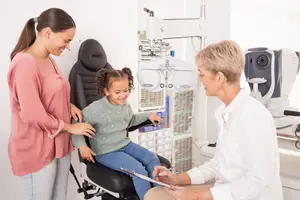
New shoes, school supplies, and a packed backpack might be ready. But when was your child’s last comprehensive eye exam? As classroom routines bring more reading, board work, and homework, checking vision belongs on the back-to-school list.
At , we provide pediatric eye exams for children ages three and older in Conroe, with testing and explanations tailored to their age.
Pediatric Eye Exam Importance: More Than Clear Vision
Seeing the board is only part of the picture. Children also need to focus at different distances and use both eyes together comfortably. A child may see clearly at a distance yet struggle with close-up tasks.
An eye exam can identify vision concerns that make schoolwork uncomfortable. However, glasses do not treat learning disabilities such as dyslexia; ongoing learning difficulties also deserve support from your child’s school and healthcare team.
School Eye Screening vs. Comprehensive Exam
School vision screenings are valuable for flagging possible problems and recommending follow-up. Many check how clearly a child sees, but they are not a diagnosis or a complete eye health evaluation.
A comprehensive eye exam goes further, checking vision, focusing, eye alignment, and eye health. Passing a screening does not rule out every vision problem, particularly concerns involving near focus or eye coordination.
Follow up if your child fails a screening. Even after a passing result, mention persistent symptoms to an eye doctor.
Signs Your Child Needs Glasses or an Eye Evaluation
Watch for squinting, holding books unusually close, covering one eye, or tilting the head to see. Headaches after reading, frequent eye rubbing, and avoiding close-up work can also be clues.
These signs do not automatically mean glasses are needed. An exam helps determine what is happening and whether treatment is appropriate. Children may not mention blurry vision because they assume everyone sees the same way, so a lack of complaints is not always reassuring.
Make a note of anything you notice and share it during the visit.
What Happens During a Pediatric Eye Exam?
Bring your child’s current glasses, any school screening results, and notes about symptoms. Share when problems happen, whether reading seems uncomfortable, and any family history of vision conditions.
Testing looks at how clearly each eye sees, whether a prescription is needed, and how the eyes align and focus. The doctor also evaluates eye health and checks for concerns such as amblyopia, sometimes called lazy eye.
You can prepare your child by explaining that the visit is a chance to see how their eyes work, not a school test.
Afterward, we explain the findings and next steps. If your child needs glasses, our team can help with eyeglasses that fit comfortably and suit everyday activities. Ask when to return so you have a clear follow-up plan.
Back-to-School Eye Exam Questions
How often should school-age children have an eye exam?
The American Optometric Association recommends annual comprehensive exams for school-age children. Some children need more frequent visits based on their symptoms, prescription changes, or individual risks.
Is it too late once school has started?
No. You do not need to wait for the next school year. Schedule an evaluation when concerns arise or your child is due for an exam.
Schedule Eye Exams for Kids in Conroe
Our office is located on TX-242 near the Harper’s Preserve H-E-B, serving families in Conroe and nearby communities.
Whether you are preparing for the first bell or responding to homework-time concerns, is here to help. Request an appointment and make your child’s eye health part of the school-year routine.