Eye Exams Near You From Age Three & Up
An eye exam checks far more than how well you see. It helps detect early signs of eye disease, changes in vision that could affect your daily life, and conditions that often go unnoticed.
We combine diagnostic tools with clear communication and continuity of care, so you leave knowing exactly what’s going on with your eyes and what to do next.

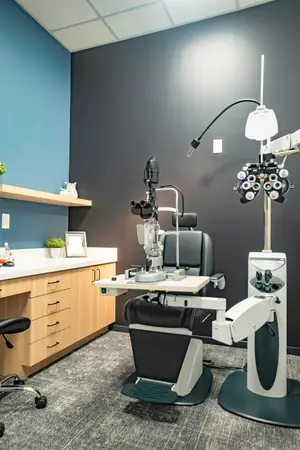
Why You Need an Eye Exam, Even Without Vision Problems
Many eye diseases develop without symptoms. You may not notice small vision changes, increased pressure inside the eye, or retinal issues until damage is already done.
Regular eye exams can detect:
-
Glaucoma (often symptom-free until late stages)
-
Diabetic eye disease
-
Macular degeneration
-
Eye strain and cataracts
-
Prescription shifts that impact reading or driving
We use Optomap® retinal imaging, no-puff pressure testing, and other tools to spot issues early, when they’re easiest to manage.
Whether you’re looking for an eye doctor near you in Conroe, need pediatric care in The Woodlands, or are coming from Porter or Shenandoah, we’re here to help.
When Should Kids Get Their Eyes Checked?
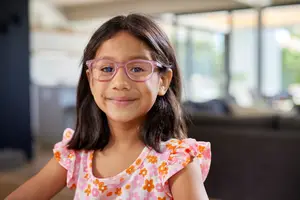
We recommend children's first eye exam around age three. Children often assume blurry vision is “normal,” and undetected issues can impact their school performance, behavior, and development.
During a pediatric exam, we check for:
-
Amblyopia (lazy eye)
-
Strabismus (eye misalignment)
-
Focusing problems
-
Nearsightedness, farsightedness, and astigmatism
We use gentle methods and age-appropriate communication to make eye exams in Conroe and The Woodlands, stress-free for kids and parents.

How Vision Changes Over Time & What We Screen For
From your 20s to your 80s, your eyes go through gradual, and sometimes sudden, changes. Whether it’s digital fatigue, lens clouding, or retinal damage, routine eye exams help track changes and protect your sight. We screen for:
-
Digital eye strain (common with daily screen use)
-
Cataracts and glaucoma
-
Retinal health
-
Prescription changes
-
Diabetic retinopathy
We also factor in family history, medications, and lifestyle habits, because protecting your sight is about more than just your prescription.
Can You Get Contact Lenses at Your Eye Exam?
Yes, but a contact lens fitting requires additional testing beyond a standard exam. We assess corneal shape, tear quality, and how lenses interact with your eyes and lifestyle.
Your contact lens exam includes:
-
Corneal mapping
-
Tear film evaluation (for dryness)
-
Soft, toric, multifocal, and RGP lens options
-
Scleral lenses for dry eye and irregular corneas
-
Lens training for first-time wearers
If you're interested in trying contacts, let us know when you book. We will make sure your exam includes what you need.